Festival Printemps des Arts de Monte-Carlo
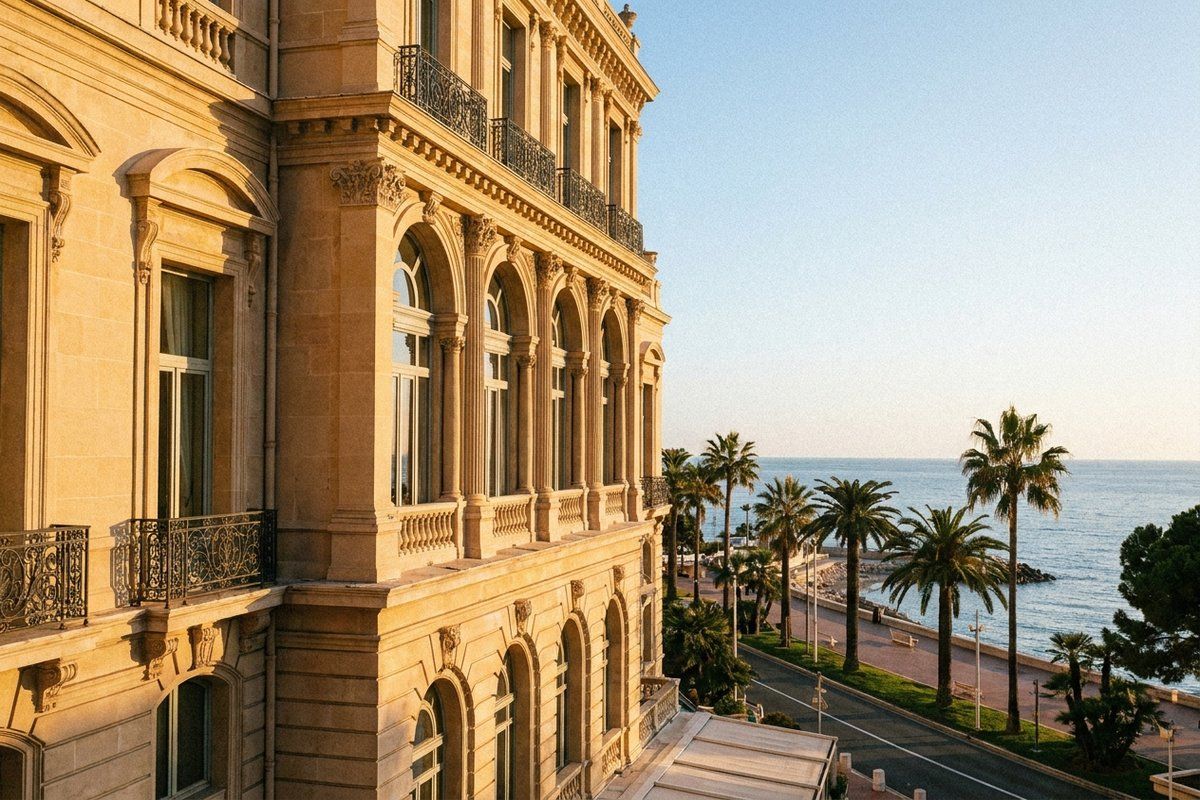
The Printemps des Arts de Monte-Carlo runs from 3 to 28 March 2027, confirmed on the festival’s official site. It is a classical-and-contemporary music festival spread across more than twenty venues in Monaco and neighbouring Nice, with concerts, dance, masterclasses and open rehearsals running for nearly the whole month.
When is the Printemps des Arts?
The 2027 edition takes place from 3 to 28 March — a run of nearly four weeks, longer than most Riviera festivals covered in this guide. The festival’s own site confirms the dates directly: “Nous sommes impatients de vous retrouver pour la prochaine édition du festival, du 3 au 28 mars 2027” (“We look forward to seeing you again for the festival’s next edition, from 3 to 28 March 2027”). This will be the 43rd edition, following the 42nd in 2026, which itself ran later into the spring, from 11 March to 19 April. The exact span shifts a little each year, so treat the March window as the reliable core of the festival rather than a fixed rule, and check the official programme in the autumn before booking travel.
Founded in 1970 at the initiative of Princess Grace of Monaco, it is one of the longest-established classical music festivals on the Riviera. Bruno Mantovani, a composer, has been artistic director since May 2021, succeeding Marc Monnet, whose tenure from 2003 expanded the festival beyond conventional concert halls into museums, hotels and even parking structures, and introduced the “Voyage surprise” — bus or train excursions to a secret performance location revealed only on arrival.
What to expect
The programme moves across roughly a millennium of repertoire — organisers describe it as spanning the 11th to the 21st century — alongside film, theatre, poetry and dance. Recent editions have combined tributes to major composers performed by leading European orchestras and quartets with world premieres by contemporary composers. The 2026 edition, themed “Utopies – opus 1,” included 26 concerts and 12 world premieres performed by more than 260 artists, ranging from Bach, Monteverdi, Vivaldi and Berlioz through to early music and Indian classical music. The 2025 edition took instruments themselves as its throughline, from Renaissance flute to modern synthesiser, and featured Les Ballets de Monte-Carlo alongside pianist Jean-Frédéric Neuburger, saxophonist Vincent David and organist Olivier Latry.
Beyond the concerts, the festival runs meetings, round tables, masterclasses, screenings, backstage immersions and guided rehearsals, most of which require advance booking. This is a festival built for classical and contemporary music enthusiasts rather than a family entertainment event in the style of the Fête du Citron or Carnaval de Nice — there’s no equivalent of a street parade or children’s programme in the sources available for this guide — but free admission for under-25s and a number of free concerts each year make it more accessible to students and younger visitors than the ticket prices for the headline evenings might suggest.
Venues recur from year to year without being fixed: the Salle Garnier at the Opéra de Monte-Carlo and the Grimaldi Forum are festival mainstays, alongside the Auditorium Rainier III and the Théâtre des Variétés. Some seasons have also used the Hôtel Hermitage and the Prince of Monaco’s classic car collection as performance spaces, and the programme regularly crosses into Nice, including performances at the Théâtre National de Nice.
Getting there
Monaco sits on the coastal rail line, and the TER regional train from Nice-Ville takes approximately 22 minutes — one of the shortest hops on the Riviera. Trains run frequently throughout the day, so there’s no need to plan around a fixed schedule for an evening concert, though it’s worth checking the last return service if you’re staying in Nice and attending a late performance.
Because the programme is spread across more than twenty venues, some in Monaco and some in Nice, check the venue listed for your specific concert before travelling — a ticket for the Théâtre National de Nice needs no cross-border trip at all, while a Monaco venue is the short train ride described above. The festival’s official site publishes venue-by-venue travel details on its “How to reach the festival” page.
Practical tips
Book ahead for named performers and premieres. World premieres and evenings built around well-known soloists or Les Ballets de Monte-Carlo tend to draw the festival’s more experienced audience and can sell out.
Don’t overlook the free events. With a number of concerts free to attend each year and free admission for under-25s, it’s possible to sample the festival without committing to full-price tickets for every evening.
Check the current year’s venue and price list. Because the festival deliberately varies its venues and repertoire each season — and because ticket prices are only confirmed alongside the season’s programme — verify both on the official site before finalising plans.
Pair it with a Nice base. With performances split between Monaco and Nice and a fast, frequent train connection between the two, staying in Nice keeps both halves of the festival within easy reach without needing to change accommodation mid-visit.
Frequently Asked Questions
- When is the Printemps des Arts festival in 2027?
- The 2027 edition runs from 3 to 28 March, confirmed on the festival's official site. It is Monaco's principal spring arts season, following the Fête du Citron and Carnaval de Nice earlier in the winter and running well ahead of the Monte-Carlo Masters and Grand Prix later in the spring.
- Where are the concerts held?
- Performances are spread across more than twenty venues in Monaco and Nice. Recurring Monaco locations include the Salle Garnier at the Opéra de Monte-Carlo, the Grimaldi Forum, the Auditorium Rainier III, the Théâtre des Variétés, and unconventional spaces such as the Hôtel Hermitage and the Prince's classic car collection; recent editions have also used the Théâtre National de Nice.
- How much do tickets cost?
- In recent seasons, full-price tickets have started around €20, a significant number of concerts have been free to attend, and admission has been free for everyone under 25. Prices and the booking calendar for 2027 are published on the official site closer to the festival.